Commercial Switchboards
A switchboard serves as the central hub in any building, where all electrical distribution wires converge. Think of it as the control centre for your electrical system, taking mains electricity from external sources and distributing it to every power outlet within your home or business.
This integral component incorporates safety features like switches, fuses or circuit breakers, typically situated at the forefront of a property. When making enhancements to your building or business, a switchboard upgrade becomes necessary to accommodate changes in power, preventing existing circuits from overloading and posing hazards.
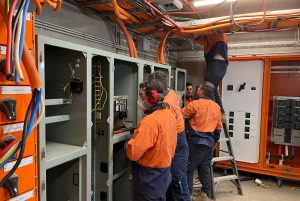
Understanding switchboard upgrades
A switchboard upgrade involves enhancing the existing switchboard to meet current codes and standards whenever modifications or alterations are made to the electrical system. This ensures compliance with safety regulations and allows for the integration of modern electrical switchgear.
The need for switchboard upgrades
Advancements in technology over the past two decades have led to increased power consumption, driving a demand for more power outlets. Older switchboards with ceramic and porcelain fuses are ill-equipped to handle these technological upgrades, necessitating a shift to modern switchboards capable of meeting growing electricity demands.
According to Australia's Energy Standards, a switchboard upgrade is mandatory under various circumstances, including upgrading to higher-powered electrical goods, receiving an electrical defect notice, making additions or alterations to the electrical system, adding a solar system or future-proofing the property.
Common reasons for switchboard upgrades
Several factors necessitate a switchboard upgrade, including:
What is involved in a switchboard upgrade?
The switchboard upgrade process involves replacing ceramic fuses with RCDs and circuit breakers, along with other necessary components. This includes the removal of existing circuit protection, identification and labelling of all cabling, mounting a new enclosure for safety switches, reconnecting cabling into the new RCDs and terminating and labelling the enclosure.
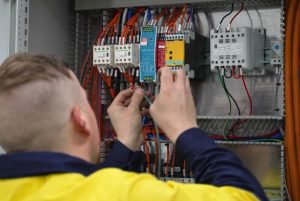
How Much Does It Cost To Upgrade Your Switchboard?
The cost to upgrade a commercial switchboard can vary significantly depending on the individual needs of your site.
Every switchboard upgrade is influenced by key factors like:
A qualified commercial electrician can provide a quote after assessing your site and should provide a fully customised quote based on your requirements.
How long does a switchboard upgrade take?
Upgrades for small commercial switchboards typically take 6–8 hours. For larger or more complex switchboards, expect 48–72 hours, depending on the scope of work. A switchboard upgrade may be required to stay compliant if you are making specific types of electrical modifications or additions that may increase load to the existing system. It's essential to check with a qualified electrician to check what upgrades are needed for your project.
Electrical Defect Notices
A switchboard is the control centre of your building’s electrical system — and one of the first places inspectors look when assessing compliance and safety. Even if your system seems to be running fine, outdated components can silently fail or become a major risk under load — especially in older buildings, busy commercial spaces, or during tenancy changes.
An Electrical Defect Notice is an official warning issued when your electrical installation doesn’t meet the safety standards set by your local energy distributor or regulatory body. If you receive an Electrical Defect Notice, you’ll typically be given a deadline to resolve the issue — usually 21 days. Failure to act can result in supply disconnection or penalties from your energy provider.
Need a quote or not sure where to start?
Talk to our commercial electrical team today.